
IRS Eliminates Many Meal Deductions Starting in 2026
Feb 04, 2026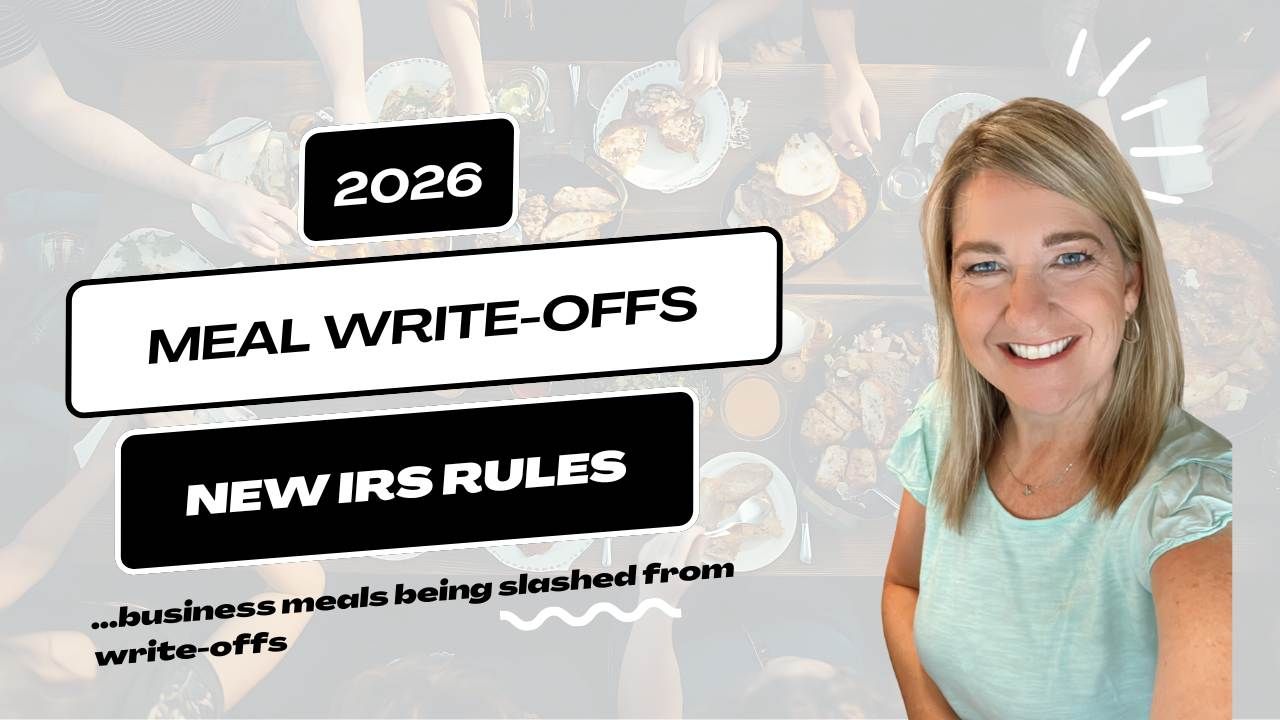
If you’re a business owner who buys meals for your team, stocks the office snack bar, or hosts working lunches, the new tax rules effective January 1, 2026, will impact your ability to deduct those expenses in 2026.
Under the One Big, Beautiful Bill Act (OBBBA), the IRS is significantly reducing or eliminating many common meal deductions. If you’ve been writing off office snacks or staff lunches, it’s time to rethink your strategy.
Here’s a clear breakdown of what’s changing and what you need to know.
What's Changing for Meal Deductions in 2026
Office Meals and Snacks Provided for Employer Convenience
-
Before 2026: These meals were 50% deductible.
-
Starting in 2026: These meals are no longer deductible unless they qualify as a de minimis fringe benefit.
-
Meals must be occasional and non-routine.
-
Think occasional pizza during tax season or snacks during an emergency and not daily coffee, water, or snacks.
-
Only meals provided to certain workers (like those on commercial vessels, oil rigs, or fishing operations) remain 50% deductible after 2025.
This tells me the oil rigs and fishing operations have some effective lobbyists... and doesn't really apply to the average business owner.
Working Lunches and On-Site Meals
- Meals for employees during meetings or to keep them on-site for convenience (like during peak work periods) will no longer be deductible at all unless they meet narrow exceptions.
Again - only certain offshore or remote worksite meals still qualify at 50%.
Client and Networking Business Meals
-
Still 50% deductible if:
-
The meal is directly related to business.
-
It’s not considered entertainment.
-
You keep clear documentation: who was there, the business purpose, and receipts.
-
Meal Deductions During Travel
-
Still 50% deductible when traveling overnight for business.
Holiday Parties and Occasional Employee Events
-
No changes here. These are still 100% deductible.
-
Includes company picnics, holiday parties, and similar employee appreciation events.
-
Pro Tip: Set Up Smart Expense Categories
Now more than ever, how you track meals makes all the difference in what you can deduct.
Create separate expense categories in your bookkeeping system for:
- Meals - clients and networks
- Meals - office snacks
- Meals - travel
- Meals - employee appreciation and parties
- Meals - non-deductible
I recommend taking the paper receipt of any meal and writing on it, who was there and what it was for and then uploading it to your bookkeeping software.
Key notes that support the deduction: (who, what, why). If it’s well-documented and fits into the new IRS rules, it’s still deductible. If not, you’ll want it clearly labeled for year-end adjustments.
Qualfiied meals that you track and support, you can write off. The key is clean recordkeeping.
What You Should Do Now
Here are practical steps you can take to prepare:
-
Review your current spending on meals and snacks.
-
Adjust your policies for providing food in the workplace.
-
Educate your team on what is and isn’t deductible moving forward.
-
Talk to your tax advisor to avoid surprises when these changes hit your 2026 return.
Summary
Starting in 2026, everyday perks like office coffee and casual lunches may no longer offer any tax break. These changes could increase your taxable income if you don’t plan ahead.
The bottom line: Not all meals will be even 50% deductible anymore, and the IRS is being much more specific about what qualifies.
If you're unsure how this affects your business or want help reviewing your expenses, reach out. We’re here to help you stay compliant and make smarter financial decisions.
Download our free ebook on Meals and Entertianment to learn more about what can be deducted.